

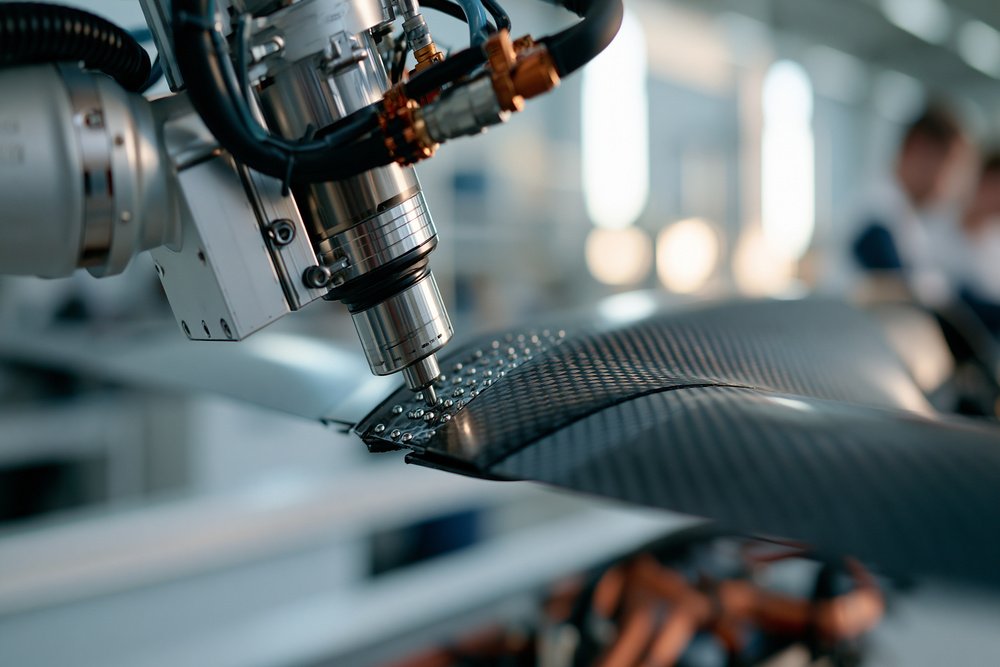
Every bolt, bracket, and seam in a defense system is a chance for something to go wrong. That’s not an exaggeration. That’s simply how the numbers fall. Stacking pieces creates more spots for cracks or fasteners to loosen. Which leads to a strange idea: building tougher gear sometimes means building it out of less stuff.
More Parts, More Problems
Say you’ve got a machine with a hundred separate pieces. Each one gets made, checked, and hooked up to whatever sits next to it. That’s a hundred shots at getting something wrong. Then send it into the field, where heat and cold and constant vibration beat on it, and guess what breaks first? Usually the spots where two parts meet. Joints are weak by nature. Bolt or weld two things together, and you’ve made a seam that has to eat stress all day long. Lean on it hard enough and it wears down. A little problem today becomes a real one six months from now. Cut the joints, cut the trouble.
The Power of Part Consolidation
Composites change the game here. Instead of assembling metal chunks, engineers can mold the shape as one solid piece. Carbon fiber, fiberglass, Kevlar. You layer and shape them into forms that once required many separate parts. Take a support structure that used to need fifteen brackets, plates, and fasteners. A composite version can sometimes come out as a single molded shape.
Read More: What are the reasons for hosting Tally on the cloud?
No seams to worry about. No bolts working their way loose. One strong, light piece pulling the weight of the whole crowd. For reliability, that’s gold. Less weight, fewer places to fail, and a simpler build all around. The part usually ends up stronger too, because stress flows straight through it instead of hopping across a dozen joints.
Why Weight Matters in Defense
Weight is everything for defense gear. A lighter aircraft sips fuel and flies farther. A lighter vehicle moves quickly and hauls more. Lighter armor keeps soldiers nimble instead of wearing them down. Composites hand over that lightness without asking you to give up strength, and that’s exactly the trade these systems need. Drop your part count and you tend to drop weight right along with it. That single molded piece almost always tips the scale lower than the pile of metal it replaced. One good design call, two payoffs.
Getting the Design Right
Now, molding a big, complicated part in one go? Not simple. It leans hard on real skill in engineering, tooling, and materials. The mold has to be accurate. The layup has to be exact. And the finished piece has to clear some brutal inspections before anyone trusts it with a mission. That’s why the best defense composite manufacturing companies carry so much weight. Aerodine Composites has earned its spot near the top. With hands-on expertise and FAA approval, complex designs turn into the durable parts they were meant to be. Such experience transforms part consolidation from a concept into reality.
Simpler Is Stronger
Fewer parts pays off down the road too. Maintenance gets a whole lot easier. Less to inspect, less to swap out, less to fix. Crews stop chasing loose bolts and start keeping systems ready to roll. When gear has to work the first time, every single time, simple wins over complicated. Every time.
Conclusion
Reliability in defense doesn’t come from packing in more parts. It comes from smart design that yanks out the weak spots before they ever get a chance to bite. Composites pull that off by folding many pieces into one. Fewer joints. Less weight. Fewer ways to fail. Less really can be more.
Read More: USD to INR Exchange Rate: How Should NRIs Transfer Money to India?